Losing weight is a personal journey, and adding more physical activity is often part of the plan. But for many, joint pain can get in the way, making movement uncomfortable or even painful. It’s a common struggle that can slow progress and make staying motivated even harder.

In fact, the Arthritis Foundation reports that around 54 million adults in the UK experience arthritis or joint pain. For some, these mobility challenges make weight loss feel like an uphill battle. That’s why managing joint pain is so important—it helps you stay active and keep working toward your goals.
So, why does joint pain often flare up during weight loss? And more importantly, how can you manage it? In this article, we’ll cover common causes of joint pain, practical ways to ease discomfort, and natural remedies—like warming balms such as Motion Energy (link leads to the Mexican site of the product) to support your journey.
If you’re just starting out, knowing your Body Mass Index (BMI) can give you a helpful snapshot of your weight relative to your height. Use it to set realistic, achievable goals and kickstart your progress.
Table of Contents
Why Joint Pain Happens During Weight Loss
Carrying extra weight can take a toll on your joints, especially your knees, hips, and ankles. Did you know that for every extra pound of weight, your knees feel about 4 pounds of additional pressure? Over time, this can lead to joint pain and even conditions like osteoarthritis, where the cartilage that cushions your joints breaks down, making movement painful and difficult.
On top of that, starting a new workout routine or increasing your activity levels can leave your muscles sore and your joints feeling stiff. If your joints aren’t used to the extra movement, your body may respond with inflammation, which can make things even more uncomfortable.
In fact, studies show that up to 50% of people starting a new exercise plan experience some kind of muscle or joint pain in those first few weeks. It’s no wonder so many people feel discouraged.
Chronic inflammation in the body, often linked to carrying extra weight, can make joint pain worse. This creates a frustrating cycle—pain makes it harder to stay active, and less movement can lead to worse joint health.
The CDC even reports that nearly 60% of adults with obesity experience joint pain, showing how important it is to address inflammation while working on weight loss.
If this all feels overwhelming, you’re not alone. Losing weight can be hard, especially when pain gets in the way of staying active. But understanding why joint pain happens and how to manage it can help you stay on track. If you’re curious about the mental side of weight loss, check out our article on mental health in weight loss for tips and encouragement. Remember, every step you take—literally—brings you closer to feeling better.
How Weight Loss Reduces Pressure on Knee Joints
Losing just a single kilogram can take 4–6 kilograms of pressure off your knees with every step. Over time, that adds up to a lot less strain and a lot more relief. Check out the table below to see how even small weight loss can make a big difference for your joints.
| Weight Lost | Equivalent Load Removed from Knees (Per Step) | Impact Over 5,000 Steps/Day | Health Insight |
|---|---|---|---|
| 2 kg (4.4 lbs) | 8 kg (17.6 lbs) | 40,000 kg/day (~40 tonnes) | Noticeable relief in everyday pain and swelling |
| 5 kg (11 lbs) | 20 kg (44 lbs) | 100,000 kg/day (~100 tonnes) | Likely improvement in mobility and function |
| 10 kg (22 lbs) | 40 kg (88 lbs) | 200,000 kg/day (~200 tonnes) | Major symptom relief; may delay or avoid surgery |
| 15 kg (33 lbs) | 60 kg (132 lbs) | 300,000 kg/day (~300 tonnes) | Deep pain reduction, potential reversal of early joint damage |
Losing weight can make a huge difference for your knees. For every kilogram you lose, your knees feel up to 6 kilograms less pressure with each step.
Imagine how that adds up—tens or even hundreds of tons less stress on your joints over just one day of walking! For example, losing just 5 kg can save your knees nearly 100,000 kg of pressure in a single day.
This relief can lead to less pain, better movement, and reduced inflammation. For anyone dealing with osteoarthritis or chronic knee pain, even small weight changes can make everyday life easier and might even help avoid surgery down the line.
This visual shows how losing weight can make a big difference for your joints and mobility.
Even a small change helps—losing just 5% of your weight can bring mild pain relief and a 20% boost in how easily you move. At 10%, the benefits grow with noticeable pain relief and a 35% improvement in mobility.
And with a 15% weight loss, the relief is significant, with over 50% better movement and less inflammation. It’s proof that every little step toward weight loss can lead to big rewards for your health!
Tips for Managing Joint Pain While Losing Weight
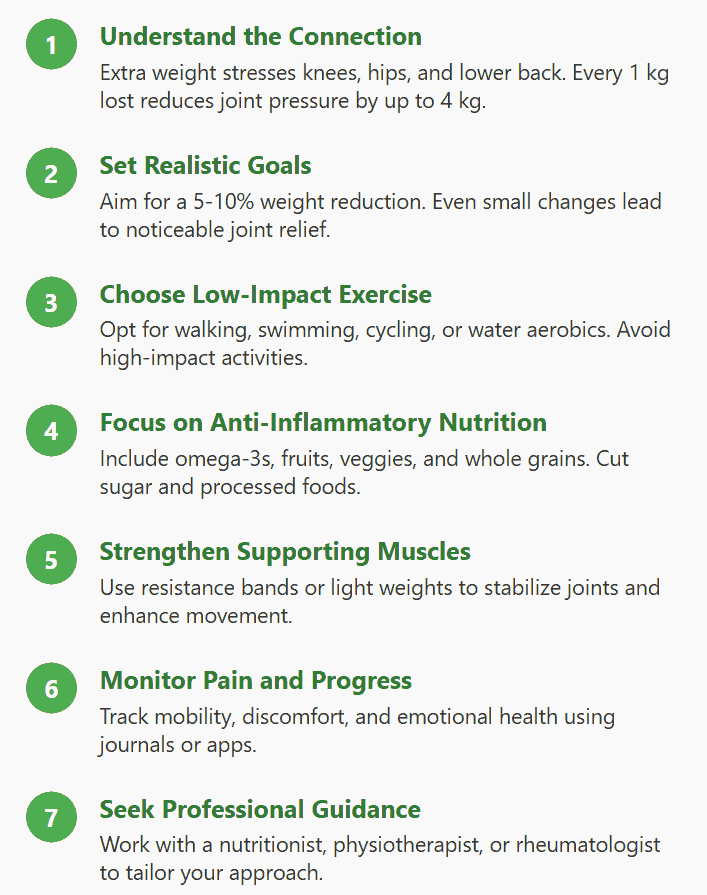
Dealing with joint pain doesn’t mean you have to give up on staying active. There are so many ways to keep moving and make your weight loss journey feel a little easier. Try low-impact exercises like swimming, cycling, or yoga—they’re gentle on your joints but still help you stay fit.
Combine these with a balanced diet and plenty of rest, and you’ll be taking care of your overall well-being while working toward your goals. You’ve got this!
- Choose low-impact exercises: Not all workouts put the same stress on your joints. Low-impact activities such as swimming, cycling, yoga, and walking are gentler on joints while still providing excellent cardiovascular benefits and calorie burn. Swimming, for example, supports your body weight with water buoyancy, reducing joint strain. Research suggests that low-impact aerobic exercises can reduce joint pain by up to 30% in overweight individuals.
- Invest in proper footwear: Wearing shoes that provide good arch support, cushioning, and shock absorption is vital. Proper footwear can reduce the force transmitted to your joints when walking or exercising on hard surfaces, preventing unnecessary pain or injury.
- Focus on gradual weight loss: Rapid weight loss can sometimes put additional strain on your body. Aim for a steady, sustainable rate of 1-2 pounds per week to avoid overloading your joints and allow your body to adjust. Studies show that even a 5-10% reduction in body weight can lead to a significant decrease in joint pain and improved function.
- Incorporate stretching and warm-ups: Before any physical activity, warming up and stretching your muscles and joints increases blood flow and flexibility. This preparation can decrease stiffness, reduce pain, and lower the risk of injury.
- Adopt an anti-inflammatory diet: Foods rich in omega-3 fatty acids (like salmon, chia seeds, and walnuts), antioxidants (berries, leafy greens, nuts), and whole grains help reduce systemic inflammation. Conversely, try to limit processed foods, excessive sugar, and trans fats, which can contribute to inflammation and joint discomfort.
If you’re exploring supplements or additional support for your weight loss, check out our reviews of best slimming tablets and how to choose the slimming tablet right for you.
By implementing these tips, you can protect your joints while still making progress toward your weight loss goals.
Natural Remedies to Soothe Joint Pain
Making a few lifestyle changes is important, but adding natural remedies to your routine can also make a big difference in easing joint pain. Things like plants, herbs, or other natural options can help you feel more comfortable and support better mobility as part of your overall efforts.
- Ice and heat therapy: Using ice packs on inflamed joints can reduce swelling and numb sharp pain, especially after exercise. Heat therapy, such as warm baths or heating pads, relaxes tight muscles and improves blood flow, which can relieve stiffness and improve mobility. A study in Clinical Rehabilitation found that heat therapy improves pain scores by up to 20% in patients with arthritis.
- Topical balms and creams: These products are applied directly to the skin and often contain natural ingredients known for their analgesic and anti-inflammatory properties. They work by increasing circulation in the affected area, helping reduce pain and promote healing without systemic side effects.
- Herbs and essential oils: Many plant extracts have been used for centuries to combat pain and inflammation. For example:
- Rosemary oil contains antioxidants and has anti-inflammatory effects.
- Eucalyptus oil and leaf extracts provide cooling and pain-relieving properties while boosting circulation.
- Cinnamon oil offers warming effects that relax muscles and soothe aching joints.
- Ginger extract is a potent natural anti-inflammatory and analgesic, helping reduce swelling and discomfort.
A 2025 review showed that using essential oils in topical applications can help reduce musculoskeletal pain by 15-25% when used regularly alongside other treatments. If you’re looking to detox and reduce inflammation naturally, check out our best detox diet plan for some great tips to get started.
These simple, natural remedies can be a great addition to your pain management routine, helping you stay active and feel more comfortable.
How Motion Energy Balm Can Help
Made with natural ingredients, it gently warms your skin to soothe inflammation and get the blood flowing, helping those aches feel better faster.
It’s easy to use, absorbs quickly, and doesn’t leave a mess — perfect for anyone who wants to feel more comfortable and keep moving throughout the day.
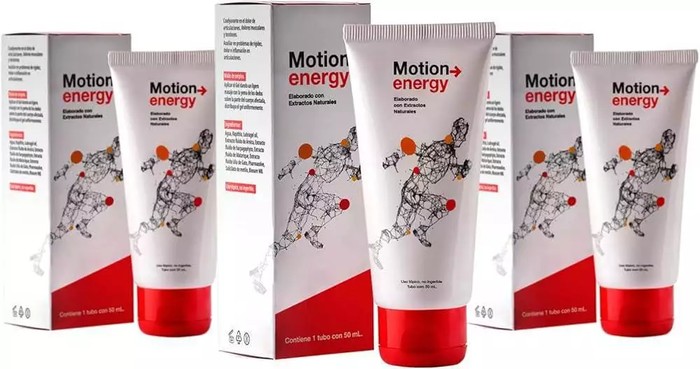
→ If you’re dealing with sore joints or tight muscles, Motion Energy warming balm (in Mexico) is like a little helper that brings quick relief right where you need it.
- Rosemary oil: Known for its ability to reduce inflammation and relieve pain, it also helps stimulate blood circulation, speeding up recovery.
- Eucalyptus oil and leaf: Provide anti-inflammatory and analgesic effects, cooling pain while encouraging healthy blood flow.
- Cinnamon oil: Offers a comforting warming sensation that relaxes tense muscles and joints.
- Ginger extract: Acts as a natural anti-inflammatory and pain reliever, known to soothe inflamed tissues.
When you’re dealing with sore or stiff joints, Motion Energy balm can be a game-changer.
It improves circulation in the area, helping to naturally reduce inflammation and ease pain fast. The warming effect also helps loosen up tight joints and muscles, making it easier—and less painful—to move. This is especially important if you’re trying to stay active while managing joint discomfort.
Because it’s made with natural ingredients, Motion Energy is a safe and handy option to include in your pain management routine. It’s a great choice if you’re on a weight loss journey and want to avoid relying on harsh medications or worrying about side effects.
Scientific Resources – How Motion Energy’s Ingredients, Managing Joint Pain During Weight Loss
Rosemary Oil
Rosemary oil has demonstrated anti-inflammatory and analgesic properties that can be beneficial for managing joint pain. Studies have shown that rosemary extract can reduce inflammation by inhibiting the NF-κB pathway and decreasing the expression of pro-inflammatory mediators such as COX-2 and iNOS (Örs et al., 2025; Gonçalves et al., 2022).
The active compounds in rosemary, particularly carnosol and carnosic acid, have been found to exert anti-inflammatory effects, acting on the signaling pathways involved in inflammation and pain (Pérez-Piñero et al., 2024).
Additionally, rosemary extract has been shown to attenuate neuropathic pain and reduce inflammation in animal models of neuropathic pain (Rasoulian et al., 2019).
Eucalyptus Oil and Leaf
There is no direct evidence regarding the use of eucalyptus oil or leaf for managing joint pain during weight loss. The provided references do not mention any specific effects of eucalyptus on joint pain or weight management.
Ginger Extract
The references highlight the potential of ginger extract for managing joint pain and inflammation. Several studies have demonstrated the analgesic and anti-inflammatory effects of ginger, particularly in the context of osteoarthritis.
For example, ginger has been shown to inhibit the production of pro-inflammatory mediators, such as COX-2 and prostaglandins, thereby reducing pain and inflammation (Ruangsuriya et al., 2016; (Forg et al., 2023; Altman & Marcussen, 2001).
Topical application of ginger extract has also been found to be effective in alleviating joint pain (Forg et al., 2023; Labban et al., 2020; Therkleson, 2013).
Managing Joint Pain During Weight Loss
The references highlight the importance of weight loss in reducing musculoskeletal pain, particularly for obese individuals. Studies have indicated that weight loss can lead to significant improvements in back, hip, knee, and ankle pain (Kotowski & Davis, 2010; (Dunlevy et al., 2019; MacLellan et al., 2017).
Incorporating pain management strategies within weight management services may provide a more holistic approach to obesity management and can help address musculoskeletal pain associated with excess weight (Dunlevy et al., 2019; Sinclair et al., 2023).
However, the references do not provide specific information about the use of the aforementioned essential oils or ginger extract for managing joint pain during weight loss.
Looking for weight loss supplements to support your active lifestyle? Check out our reviews of popular products like Proactol and Phen375 and supplements you can find on Isabela’s VivaSanoMX.com blog.
Frequently Asked Questions (FAQs)
Does rapid weight loss cause joint pain?
It can. Losing weight too quickly might lead to joint pain because of muscle loss or not getting enough nutrients that keep your joints healthy. When your body doesn’t have time to adjust, you might feel temporary discomfort. To protect your joints and stay healthy, it’s best to aim for slow, steady weight loss.
How much weight do you need to lose to reduce knee pain?
You don’t need to lose a ton of weight to feel a difference. Research shows that losing just 5-10% of your body weight can significantly ease knee pain. That small weight loss can reduce the pressure on your knees by 20-40 pounds per joint! It also helps lower inflammation and improves how your joints work, making everyday movement less painful.
Does losing weight help arthritis in the hip?
Yes, it does. Losing even a modest amount of weight can reduce the strain on your hips, easing arthritis pain and stiffness. This means better mobility and less discomfort when doing simple things like walking or climbing stairs.
Does losing weight help arthritis in the back?
Definitely. Losing weight takes pressure off your spine and the surrounding muscles, which can reduce arthritis-related back pain. Pairing weight loss with core-strengthening exercises can improve your posture, ease inflammation, and make your back feel stronger and more comfortable.
Conclusion
Joint pain doesn’t have to hold you back from reaching your weight loss goals. By understanding what’s causing the pain and making small changes—like choosing low-impact exercises, wearing supportive shoes, stretching regularly, and eating an anti-inflammatory diet—you can protect your joints and stay active.
Natural remedies, like Motion Energy’s warming balm, can also make a big difference by reducing inflammation and improving circulation right where it’s needed most.
Taking care of your joints doesn’t just help with the pain—it keeps you motivated, comfortable, and moving forward on your journey to a healthier, fitter you. If joint pain has been slowing you down, try adding natural solutions like Motion Energy balm to your routine. You’ll be surprised how much it can help you stay on track!
Looking for more tips? Check out all our helpful articles and resources over at The How To Lose Weight homepage.